The Hidden Cost of “Temporary”
Most workplaces have them:
-
A handwritten tag tied to a valve
-
A paper sign taped to a wall
-
A strip of tape marking a zone “for now”
-
A makeshift label that “everyone understands”
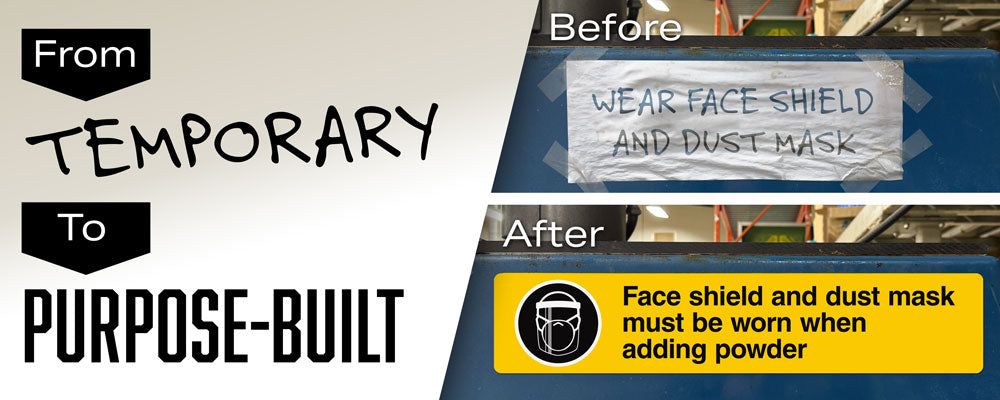
These quick fixes are often created with good intentions — to solve a problem fast. The issue is that temporary fixes have a way of becoming permanent.
Once they become part of the daily routine, they start to blend into the background. Over time, that can create confusion, inconsistency, and extra work for the people trying to keep the site organized and safe.
Why Temporary Fixes Stick Around
Temporary safety markings and labels tend to stay in place because:
-
The site is busy, and there’s no time to redo them
-
The original plan was to “come back later”
-
Multiple teams or shifts use different methods
-
Expansion and change happens faster than the signage system can keep up
It’s not a lack of effort — it’s usually a lack of a repeatable system.
What Patchwork Looks Like in the Real World
A patchwork approach often shows up as:
-
Different tag styles on similar equipment
-
Labels with inconsistent wording or formats
-
Floor markings that change colour or meaning from area to area
-
“Temporary” paper signs that fade or fall off
-
Areas where visitors or contractors aren’t sure what’s allowed
Even small differences create hesitation:
“Is this the same meaning as the other area?”
“Is this current?”
“Who put this here and why?”
That hesitation is what a real system is meant to reduce.
What a Real System Looks Like
A purpose-built safety identification system isn’t complicated. It’s simply consistent and designed around how your operation runs.
That can include:
-
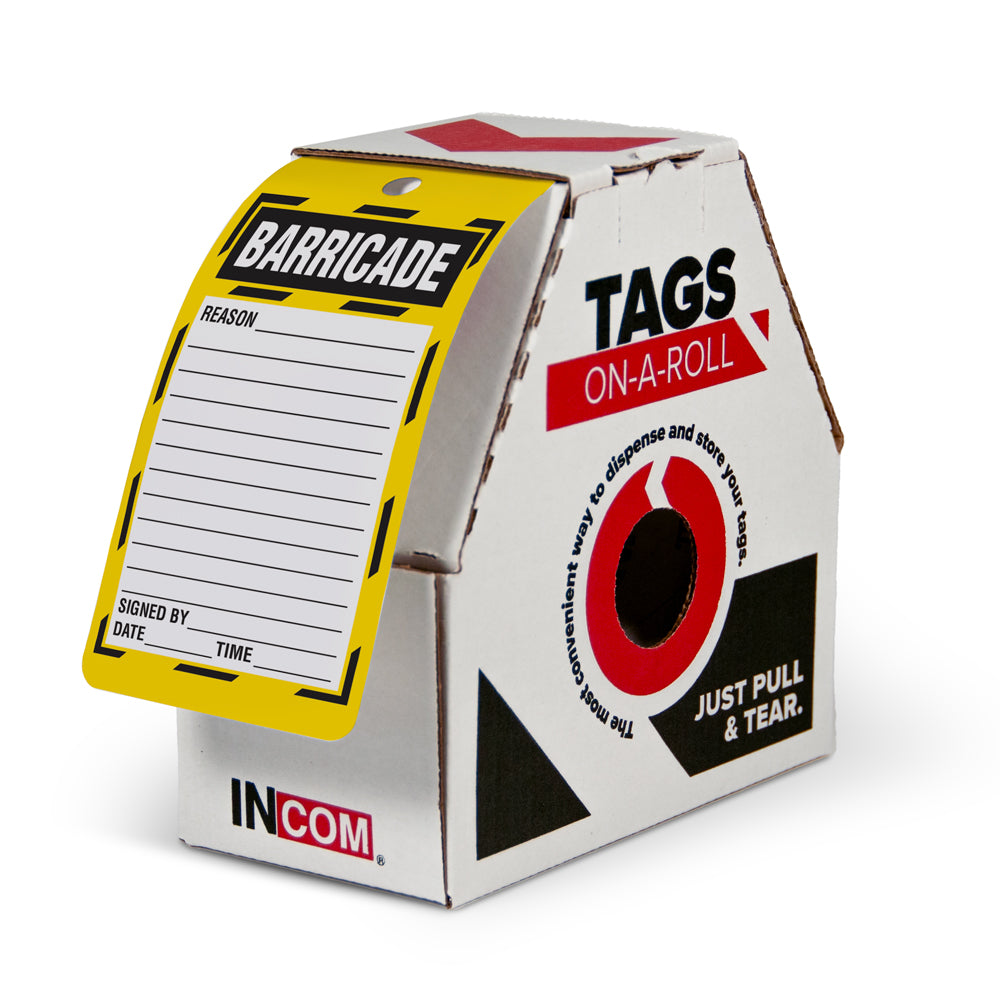
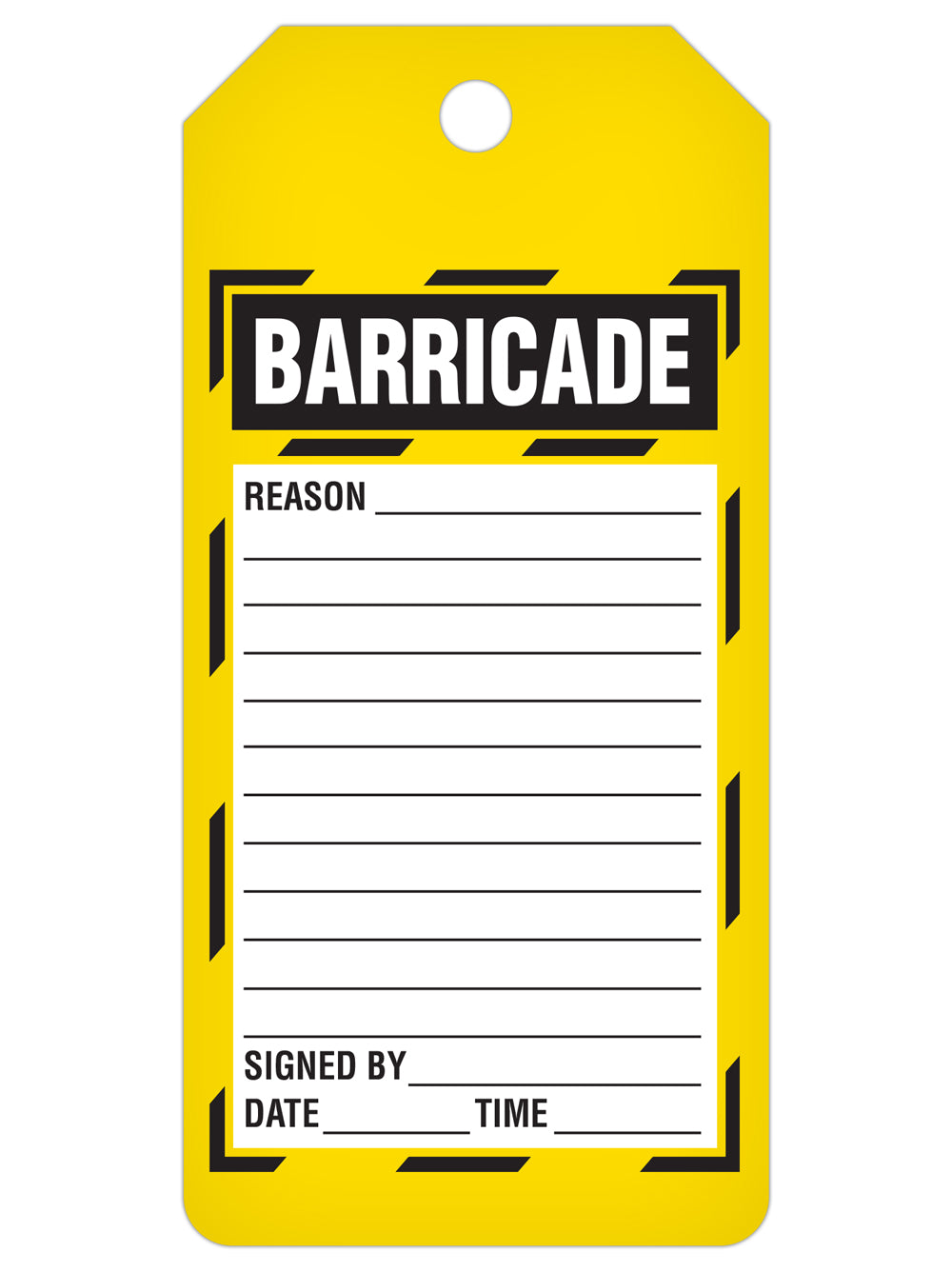
Standardized safety tags for common situations (out of service, inspection, do not operate, etc.)
-
Consistent label formats for panels, valves, containers, and equipment
-
Signage that matches the facility layout and decision points
-
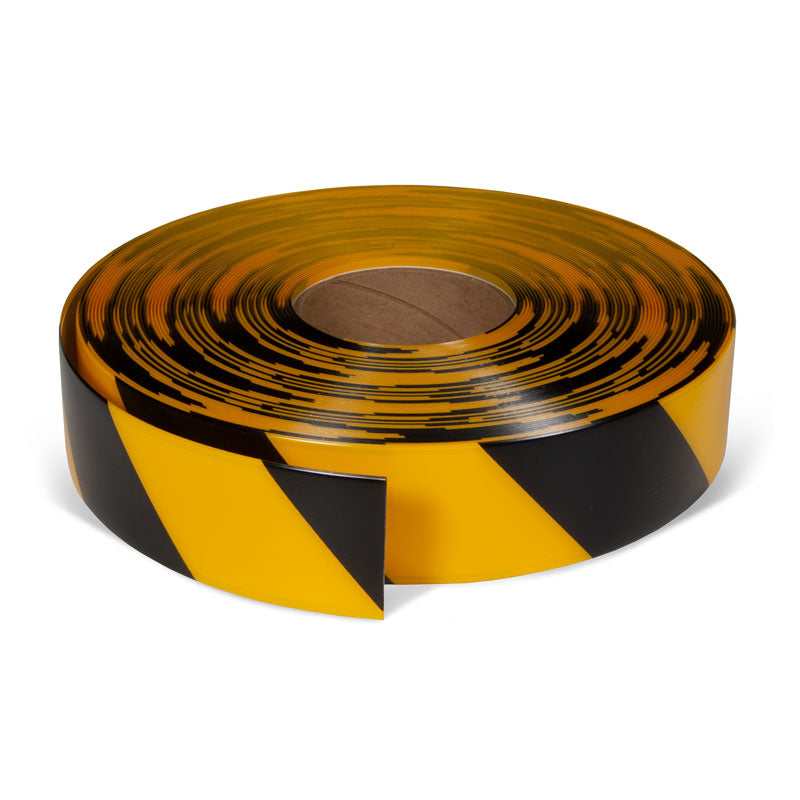
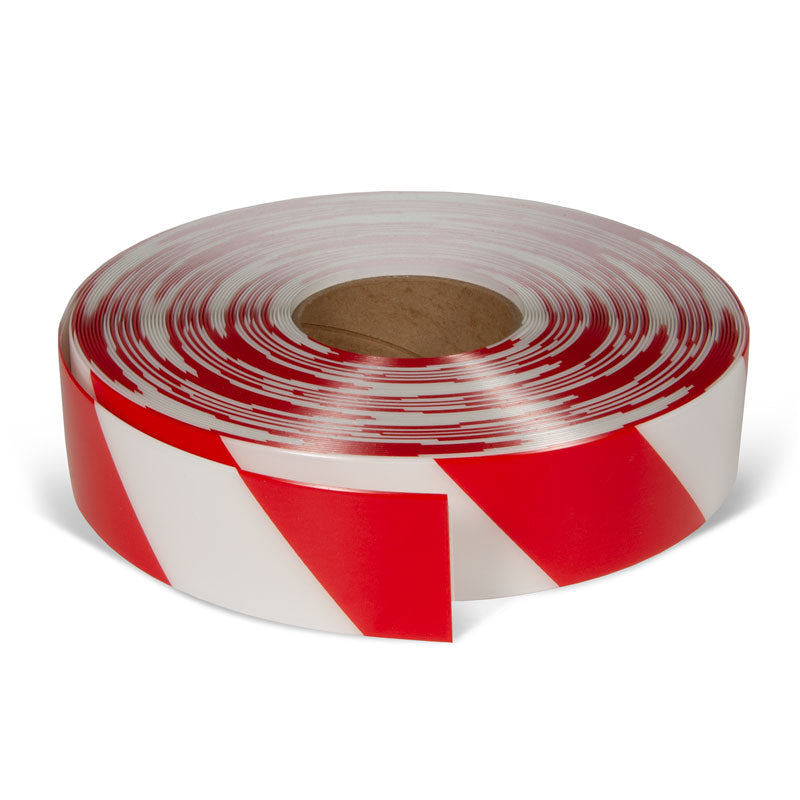
Floor marking layouts that stay consistent across departments or locations
-
Materials selected based on the environment (traffic, moisture, outdoor exposure, handling)
The goal is to create a set of tools people recognize instantly — without needing to interpret them every time.
Where Custom Solutions Make the Biggest Difference
Custom doesn’t have to mean complex. It often means making your safety communication:
-
The right wording for your process
-
The right format for how your teams work
-
The right durability for your environment
-
The right consistency across shifts, sites, and crews
Custom is especially useful when:
-
The same issues repeat in the same areas
-
You have multiple locations or departments
-
Contractors or visitors regularly access the site
-
Equipment and layouts are standardized across the operation
-
You want a repeatable kit that can be reordered easily
A Practical First Step: Identify the “Repeat Problems”
If you’re not sure where to start, look for:
-
The “temporary” signs that have been there for months
-
The handwritten tags that keep getting replaced
-
The areas where people ask the same questions repeatedly
-
The zones that constantly get re-taped or re-marked
Those are usually the best opportunities to replace patchwork with a simple, consistent system.
Want Help Turning Patchwork Into a System?
If you’re looking to standardize signs, tags, labels, or markings across your operation, we can build a solution that fits how your site actually runs. If you’d like help with a custom approach, contact us here.
Final Note
This article is intended for general information only. Safety requirements can vary by jurisdiction and application, and facilities should confirm which regulations or standards apply to their specific operations.