
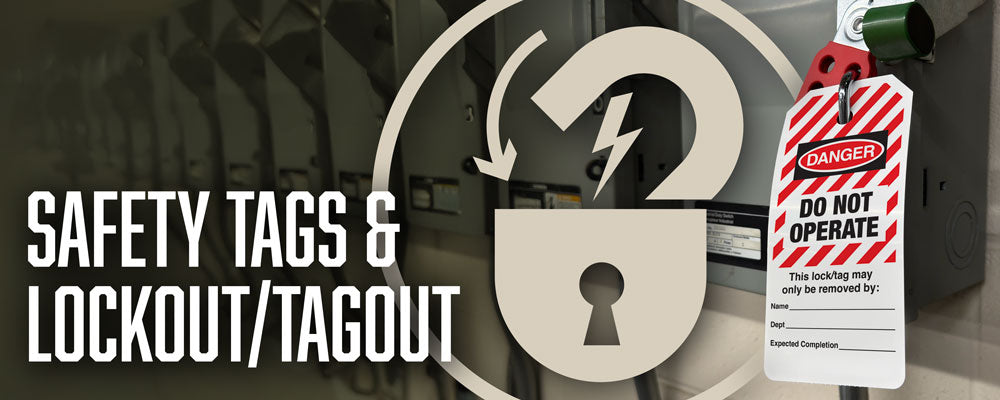
Why Tags and Lockout/Tagout Matter
During maintenance, repairs, or inspections, clear communication is critical. Safety tags and lockout/tagout (LOTO) devices are used to signal equipment status, warn of hazards, and help prevent unexpected startup or energy release.
While they are often discussed together, safety tags and lockout devices serve different but complementary roles. Understanding how they are commonly used helps facilities choose the right tools for their operations.
This article provides a general, plain-language overview of safety tags and lockout/tagout practices.
What Are Safety Tags Used For?
Safety tags are commonly used to communicate information such as:
-
Equipment out of service
-
Maintenance in progress
-
Inspection status
-
Warnings or instructions
Tags are typically attached directly to equipment, valves, panels, or controls where the information is most relevant. Their effectiveness depends on clear messaging, visibility, and consistent use.
Different tag materials and formats are often selected based on:
-
Indoor or outdoor use
-
Exposure to moisture, dirt, or chemicals
-
Duration of use (temporary vs longer-term)
What Is Lockout/Tagout?
Lockout/tagout refers to the practice of isolating energy sources and identifying equipment that should not be operated during maintenance or servicing.
Lockout devices are used to physically prevent operation, while tags are used to communicate status and intent. Together, they help reduce the risk of accidental activation.
Common lockout/tagout applications include:
-
Electrical panels
-
Valves and pipelines
-
Mechanical equipment
-
Compressed air or hydraulic systems
The Role of Clear Identification
Whether using tags, lockout devices, or both, clarity is key. Effective safety communication during maintenance often includes:
-
Tags that are easy to read and understand
-
Consistent placement across similar equipment
-
Durable materials that hold up in the environment
-
Clear identification of who applied the tag and why
Consistency helps ensure that everyone on site understands what a tag or lockout device means, even if they were not involved in the original work.
Choosing Tags and LOTO Products for Your Environment
Facilities typically consider several factors when selecting safety tags and lockout/tagout products, including:
-
Type of equipment being serviced
-
Environmental conditions
-
Frequency of use
-
Need for reusability or single-use tags
Selecting products that match the application helps maintain clear communication and reduces the chance of confusion during maintenance activities.
Supporting Safer Maintenance Practices
Safety tags and lockout/tagout systems are widely used across many industries to support safer maintenance and servicing activities. When applied consistently and clearly, they help communicate status, reduce uncertainty, and support safer decision-making.
Final Note
This article is intended for general information only. Safety requirements can vary by jurisdiction and application, and facilities should confirm which regulations or standards apply to their specific operations.


