Why Safety Communication Breaks Down
Safety products are used in many different environments — inside facilities, during maintenance, and on the road. Signs, tags, labels, floor markings, and transportation identifiers all serve the same purpose: to clearly communicate safety information when it matters most.
When safety communication fails, it’s usually not because a product was missing — it’s because it wasn’t used consistently, wasn’t visible enough, or didn’t hold up over time.
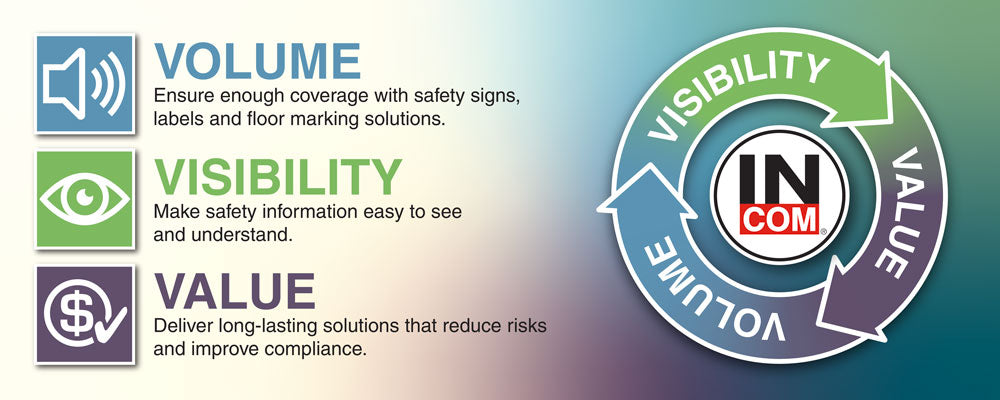
To help simplify how safety products are selected and applied, we use a practical framework: Volume, Visibility, and Value.
Volume: Enough Coverage to Reduce Guesswork
Volume is about having enough safety communication in the right places — not just one sign, tag, or label, but consistent coverage wherever decisions are being made.
This can include:
-
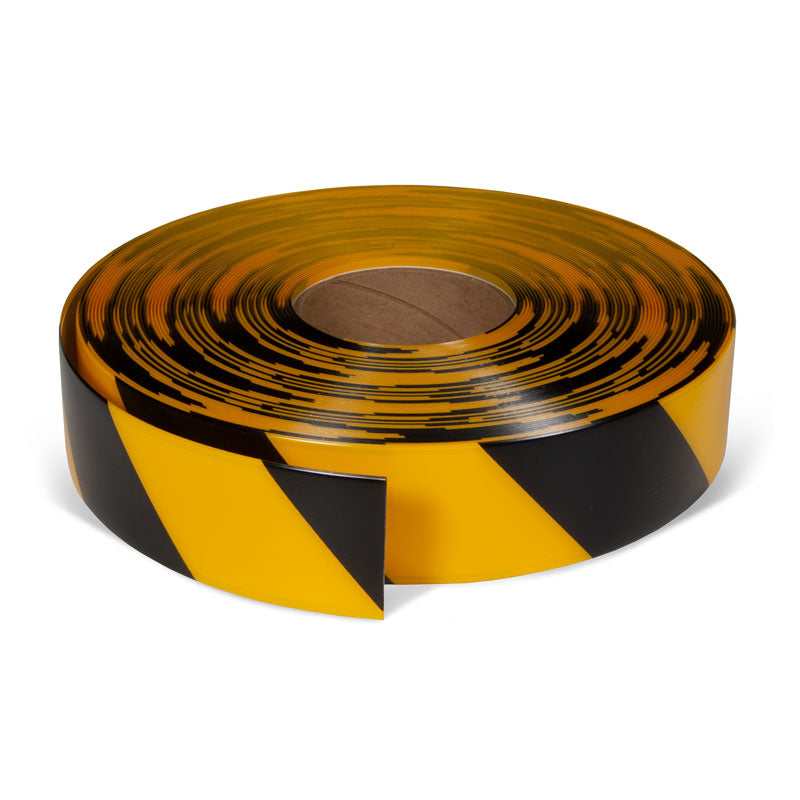
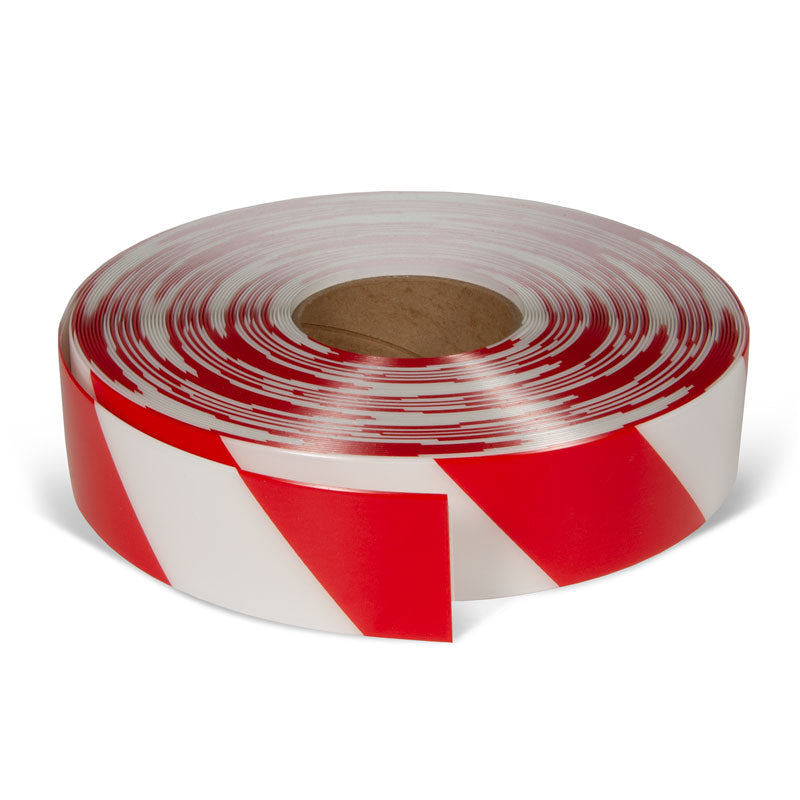
Floor markings and signs throughout a facility
-
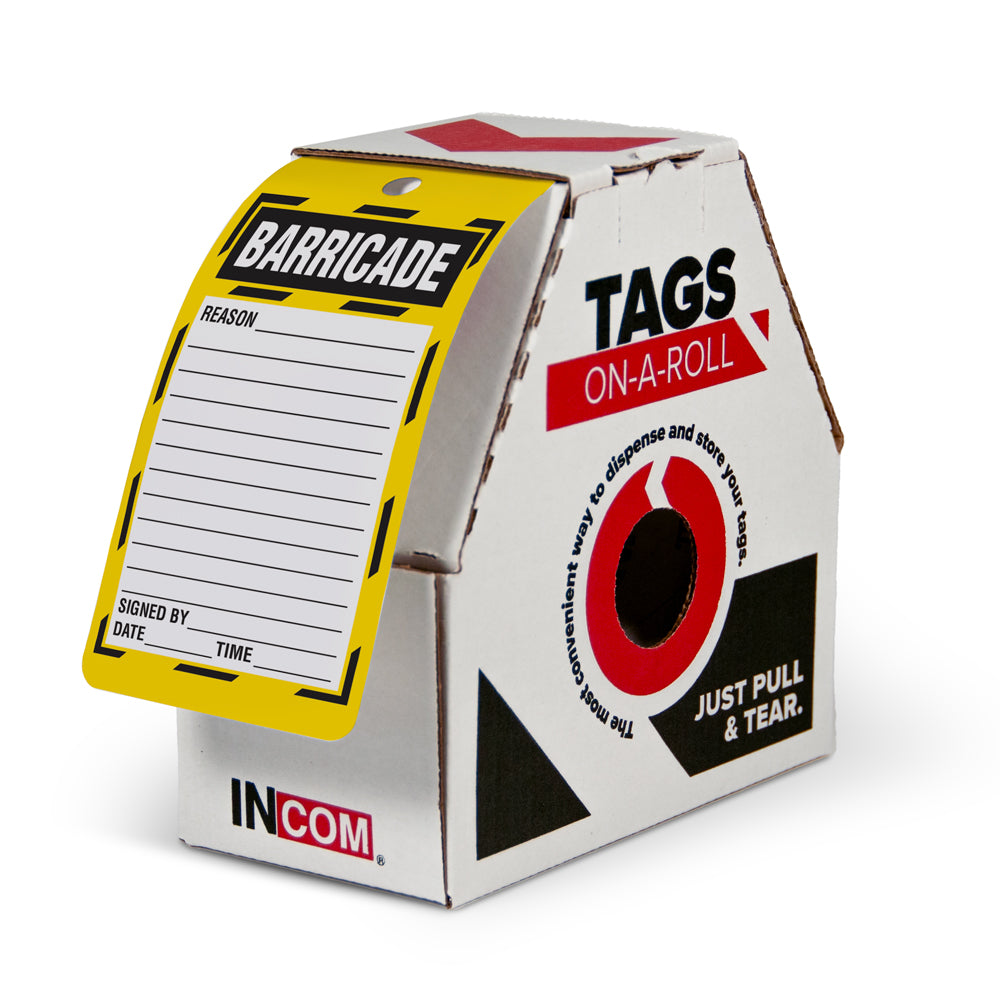
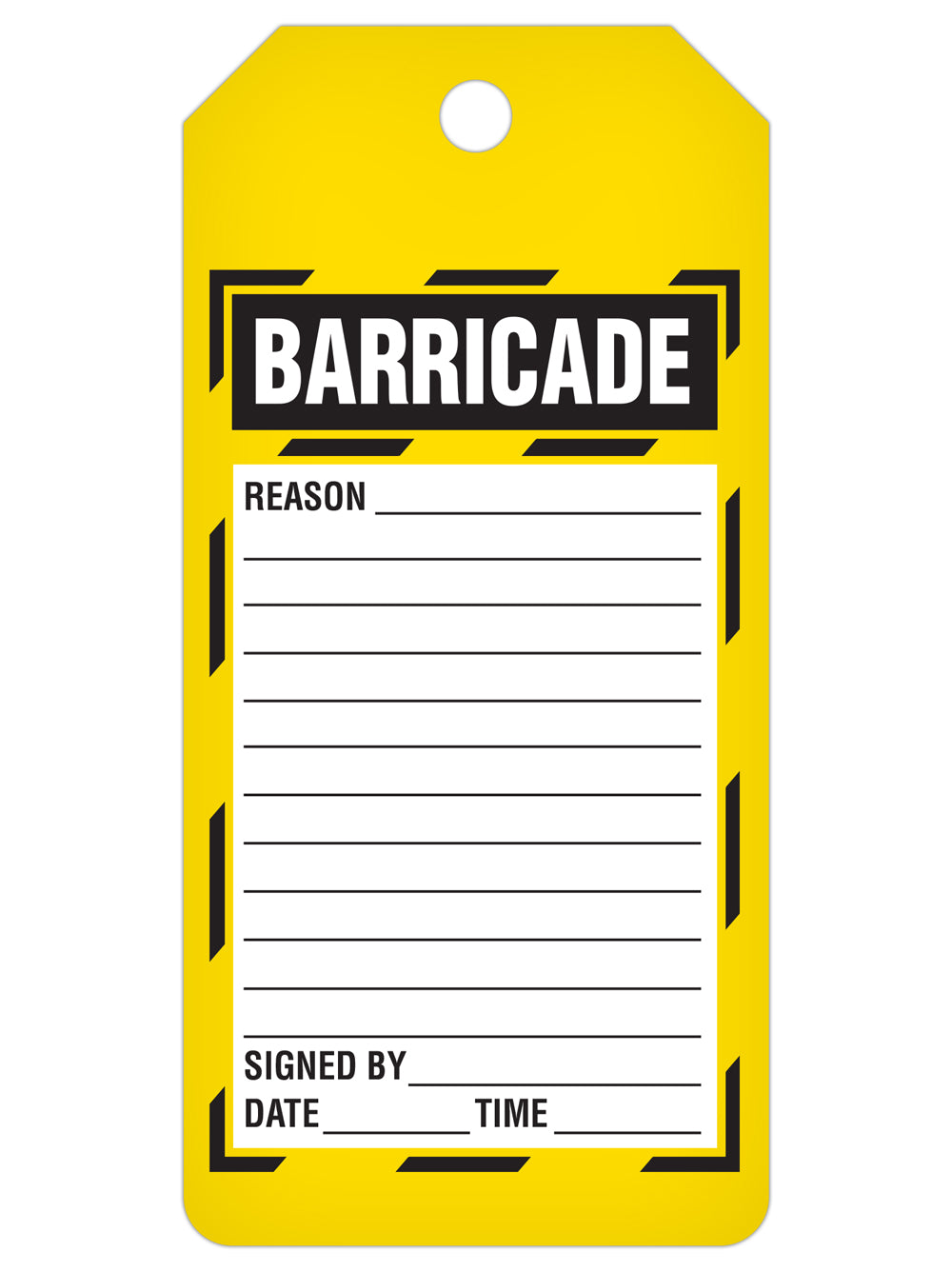
Lockout and inspection tags applied consistently across equipment
-
Labels used on containers, panels, or valves
-
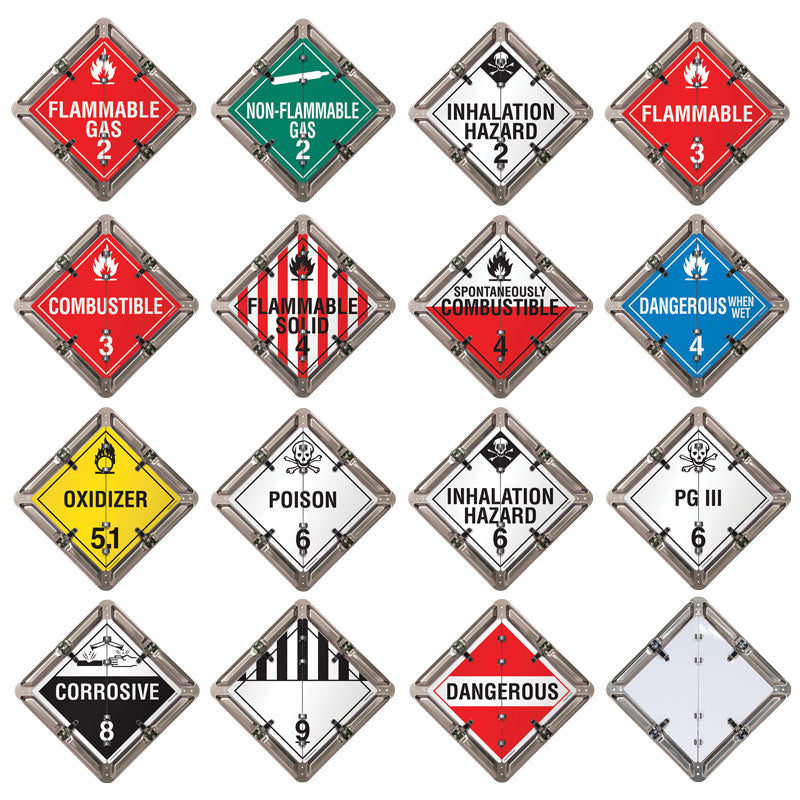
Required signage and identifiers used on transportation and heavy haul equipment
When safety information appears only in isolated spots, it’s easier to miss. Repetition and coverage help reinforce expectations and reduce uncertainty.
Visibility: Clear at a Glance
Visibility focuses on how quickly safety information can be seen and understood.
Good visibility applies across many product types:
-
High-contrast signs and labels that stand out
-
Tags that are easy to read, even in busy environments
-
Reflective materials used on vehicles and heavy haul signage
-
Markings and identifiers placed where people naturally look
If safety communication requires extra effort to read or interpret, it loses effectiveness. Clear design and proper placement help ensure messages are understood quickly.
Value: Solutions That Perform in Real Conditions
Value is not just about price — it’s about how well safety products perform over time in their intended environment.
Value often comes from:
-
Durable tags and labels that resist tearing, moisture, or fading
-
Lockout devices and accessories designed for repeated use
-
Materials that hold up in industrial, outdoor, or transportation settings
-
Reduced need for frequent replacement or rework
Choosing products that last helps maintain consistent safety communication and reduces long-term maintenance.
One Framework, Many Applications
The Volume, Visibility, Value framework can be applied across many safety categories, including:
-
Workplace signs and floor markings
-
Lockout/tagout tags and devices
-
Safety labels and identification systems
-
Transportation and heavy haul signage
-
Reflective and specialty materials
The goal is not to apply every product everywhere, but to apply the right products consistently, visibly, and with long-term performance in mind.
A Simple Way to Evaluate Safety Communication
When reviewing safety communication in any environment — facility or field — three questions can help guide decisions:
-
Volume: Is there enough coverage to clearly communicate expectations?
-
Visibility: Can information be understood quickly and easily?
-
Value: Will these products perform in the conditions they’re used in?
This approach helps simplify decisions while supporting safer operations.
Final Note
This framework is intended as a general planning tool. Safety requirements can vary by jurisdiction and application, and organizations should confirm which regulations or standards apply to their specific operations.